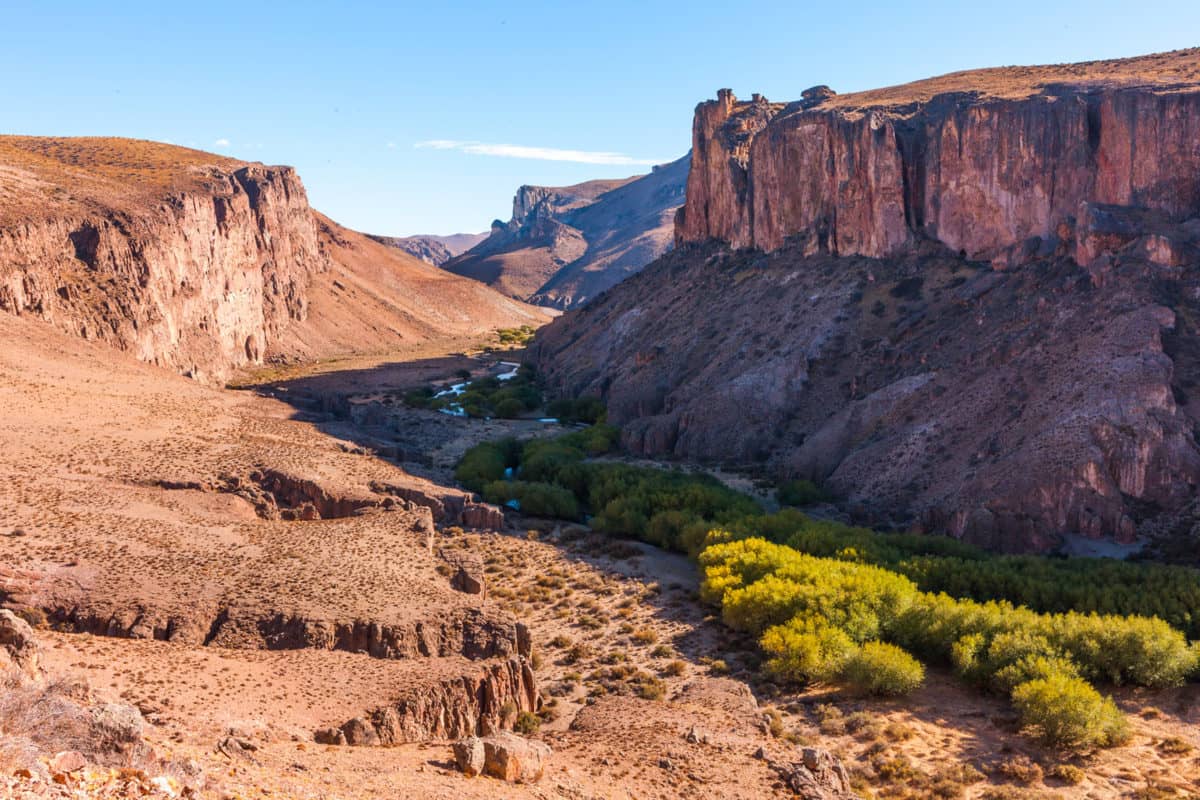
Behind the Lens with Diego Cabanas
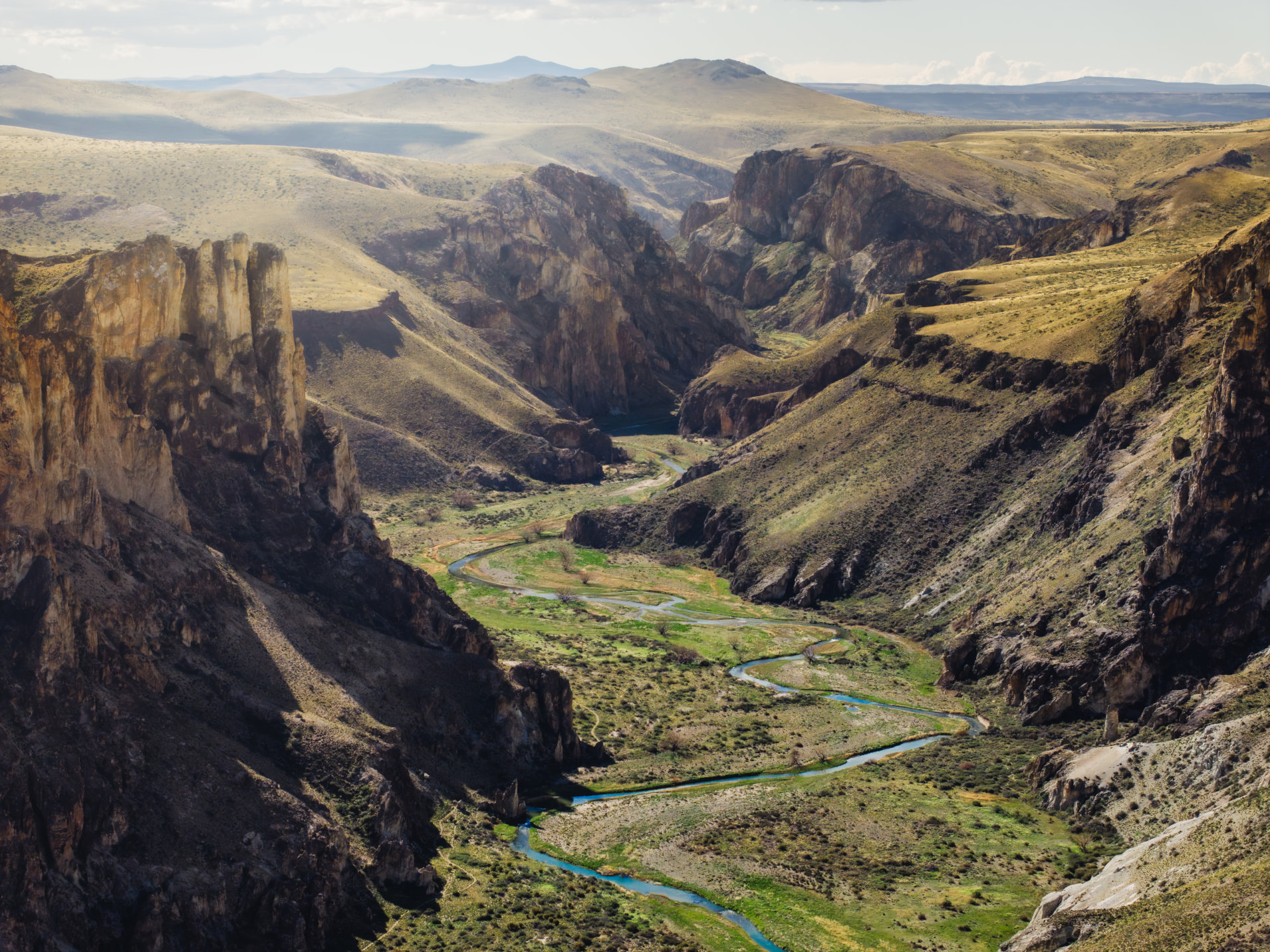
Diego Cabanas is a renowned nature photographer based in Rada Tilly, Chubut – a coastal town in Argentina located about five hours from Patagonia Park. After visiting the park years ago as a local tourist, he recently returned with the support of Freyja and Rewilding Argentina to explore and document its new offerings, capturing its landscapes and distinctive wildlife.
Below, Diego shares insights into his work and reflects on his experience at Patagonia Park.
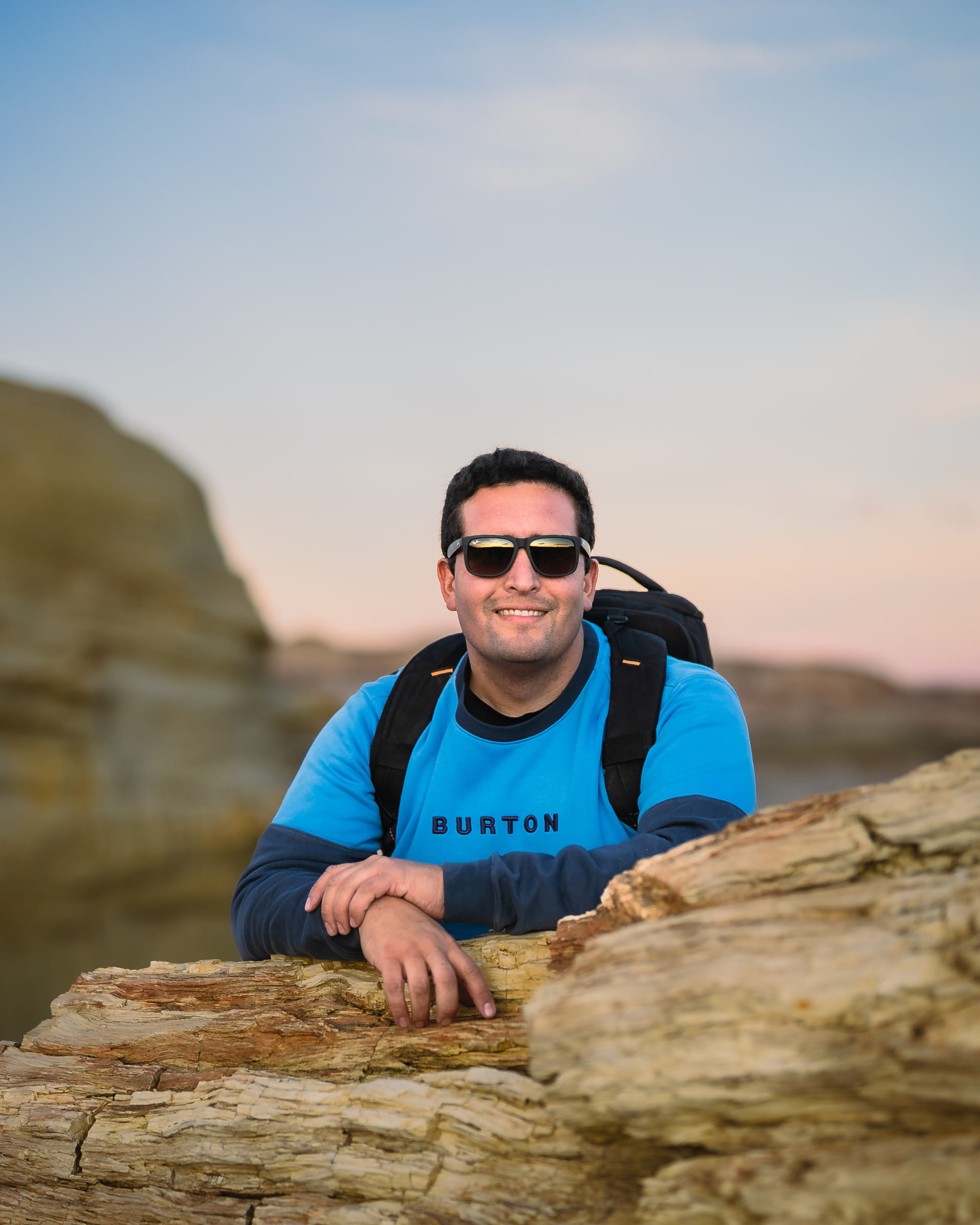
Diego Cabanas, Chubut-based nature photographer
What do you do?
I work in photography and audiovisual production, with a focus on nature, landscapes, and authentic stories. I work as a photographer, filmmaker, and drone operator, developing my own documentary projects and collaborating with organizations, municipalities, and foundations that seek to tell meaningful stories. I’m interested in not just showing beautiful landscapes, but also building narratives that help us understand and value the places we inhabit.
What was your experience like in Patagonia Park?
I had a very profound experience. Patagonia Park isn’t a place you simply “pass through” – it’s a place where you stop and take everything in. Time seems to move at a different pace, and that forces you – in a good way – to slow down. I felt a powerful combination of vastness, silence, and intention: everything that’s done there has a reason. It’s not just a protected area, but rather a clear vision of the future put into practice today. As a visitor and as a creator, you really feel that.
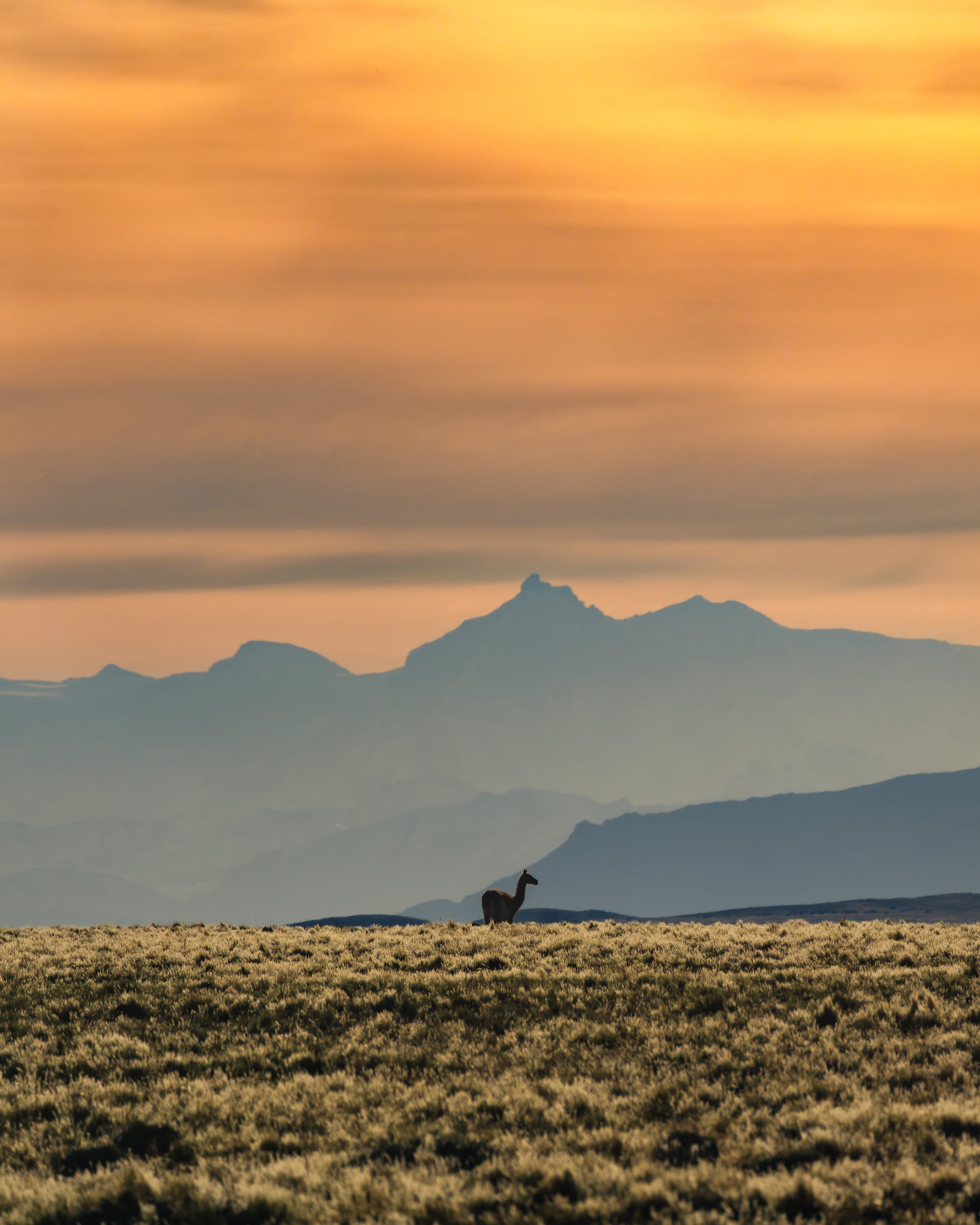
Cabanas’ favorite shot from his recent trip to Patagonia Park
Of all the images you took during your trip, is there one that stands out as your favorite? What’s the story behind it?
Yes, there’s one image that comes to mind. It’s not the most spectacular or the most “epic,” but it is the most honest: a guanaco outlined against the landscape, with Mount San Lorenzo in the background. No drama or staging… the value of that photo is that I didn’t interrupt anything. I was there, observing, and the scene simply happened. For me, it captures the essence of Patagonia Park: presence without invasion. That image doesn’t speak about me as a photographer – it speaks about the place and its balance.
What do you think makes Patagonia Park unique compared to other nature tourism destinations in Argentina or around the world?
Its coherence. Patagonia Park isn’t just beautiful, it’s consistent. Conservation, restoration, public access, and education truly coexist – not just in discourse. You don’t feel like you’re in a place that’s staged; you feel like you’re inside a living ecosystem, cared for thoughtfully and with a long-term vision. That’s not very common, even globally.
Is there any lesson you’re taking from Patagonia Park into your work in other destinations?
Yes – that less really is more. Less noise, less rush, less intervention. Patagonia Park reminded me that careful observation is more important than producing quickly. Not every shot needs to be spectacular, and respect for the environment also shows in how you tell its story. It’s a lesson I’m already applying in other projects.
As a nature photographer, what would you recommend to those visiting Patagonia Park?
Go with time and with humility. Don’t go looking for “the photo,” but for the experience. Walk, listen, get lost on a trail once in a while. And above all, understand that you’re entering a place that doesn’t belong to you, but welcomes you anyway. If you adapt to the rhythm of the park, the images – and the experiences – arrive on their own.
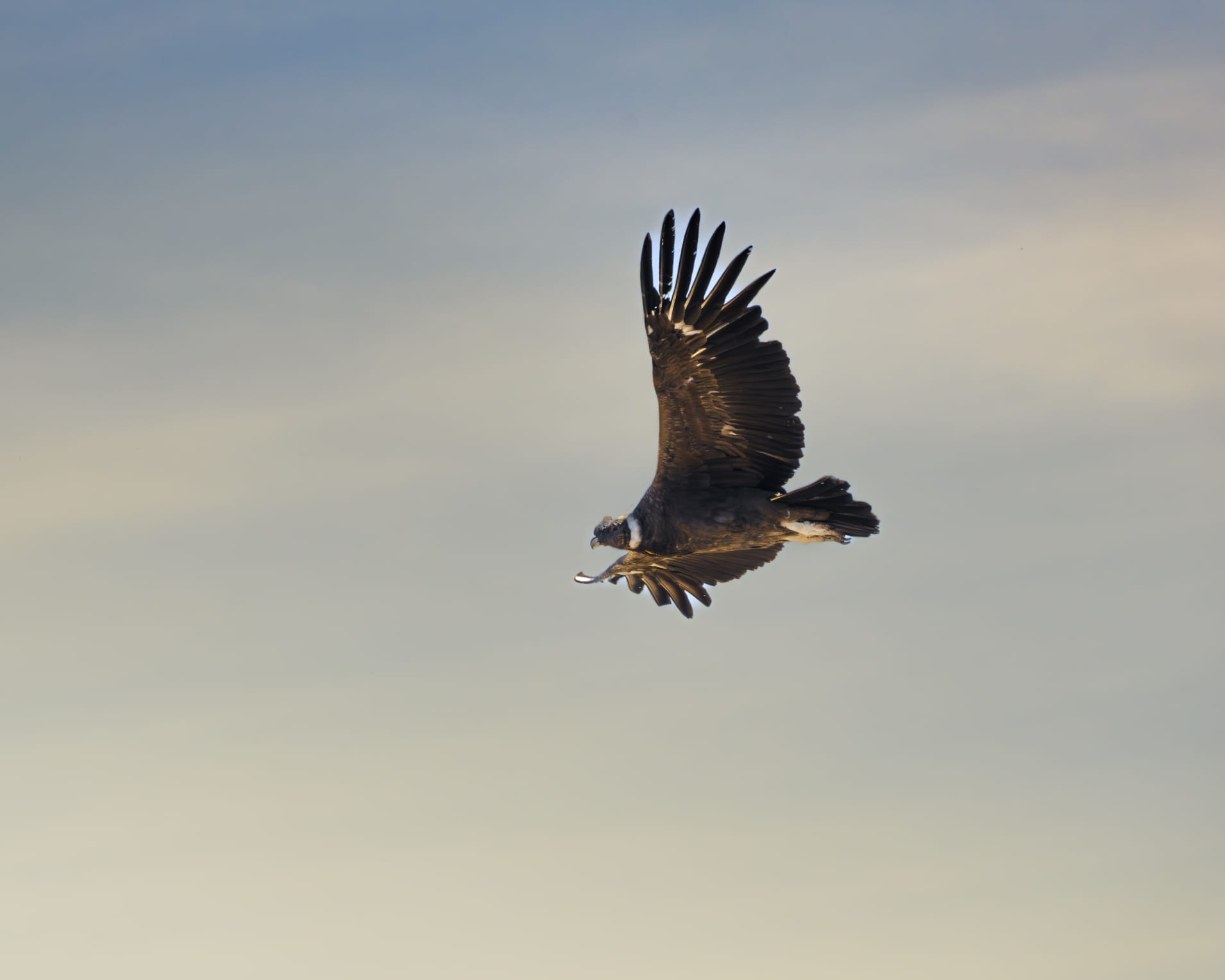
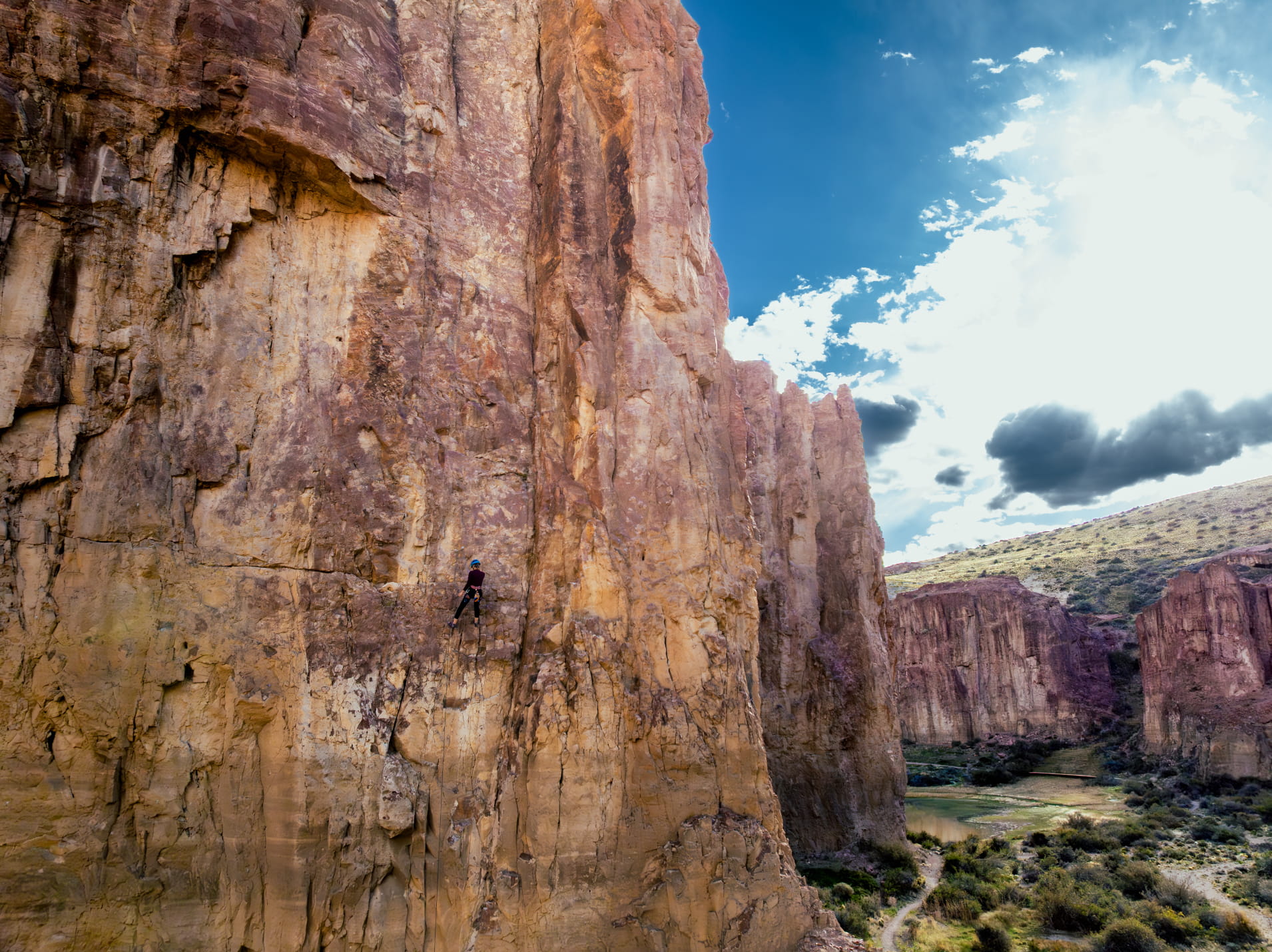
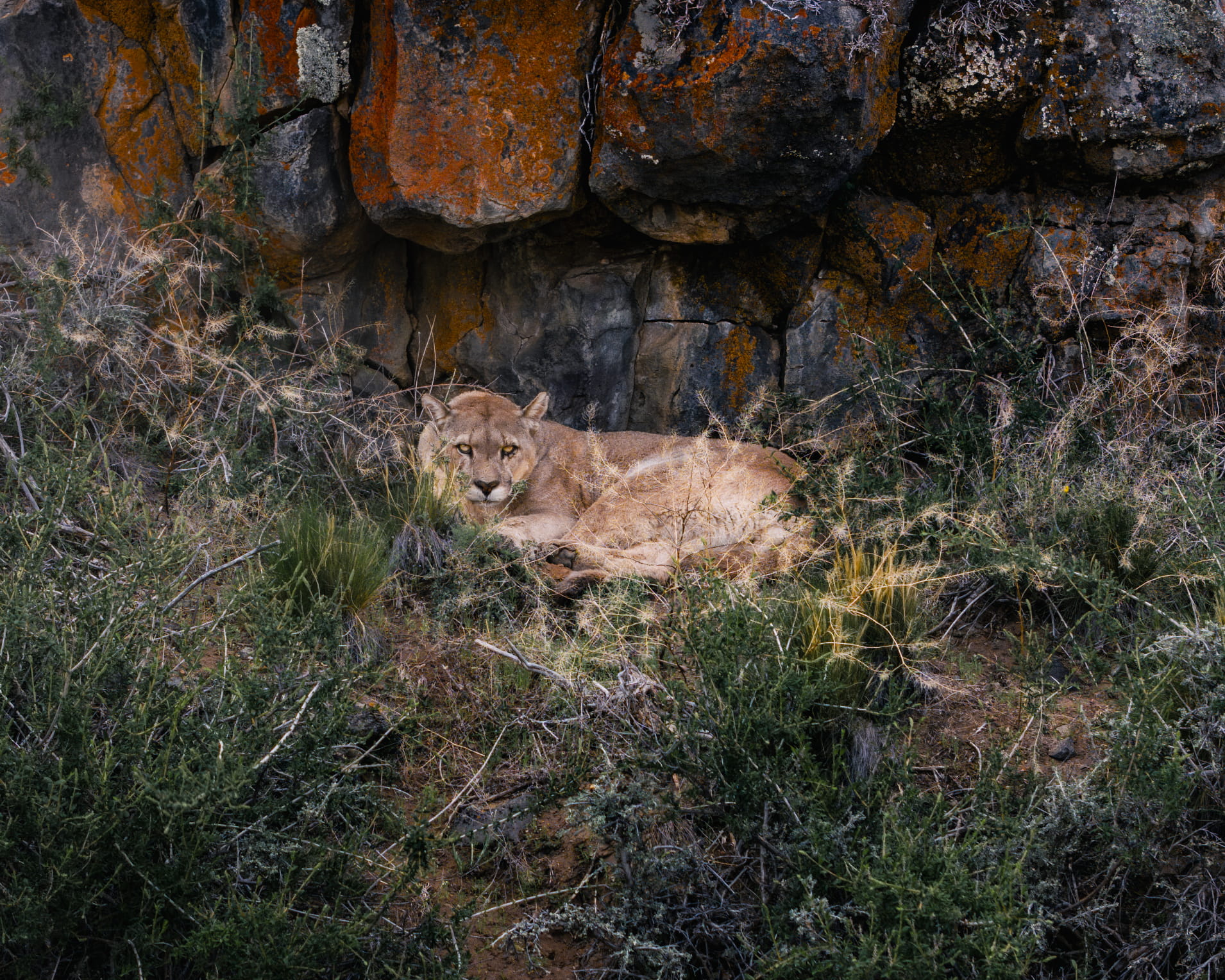


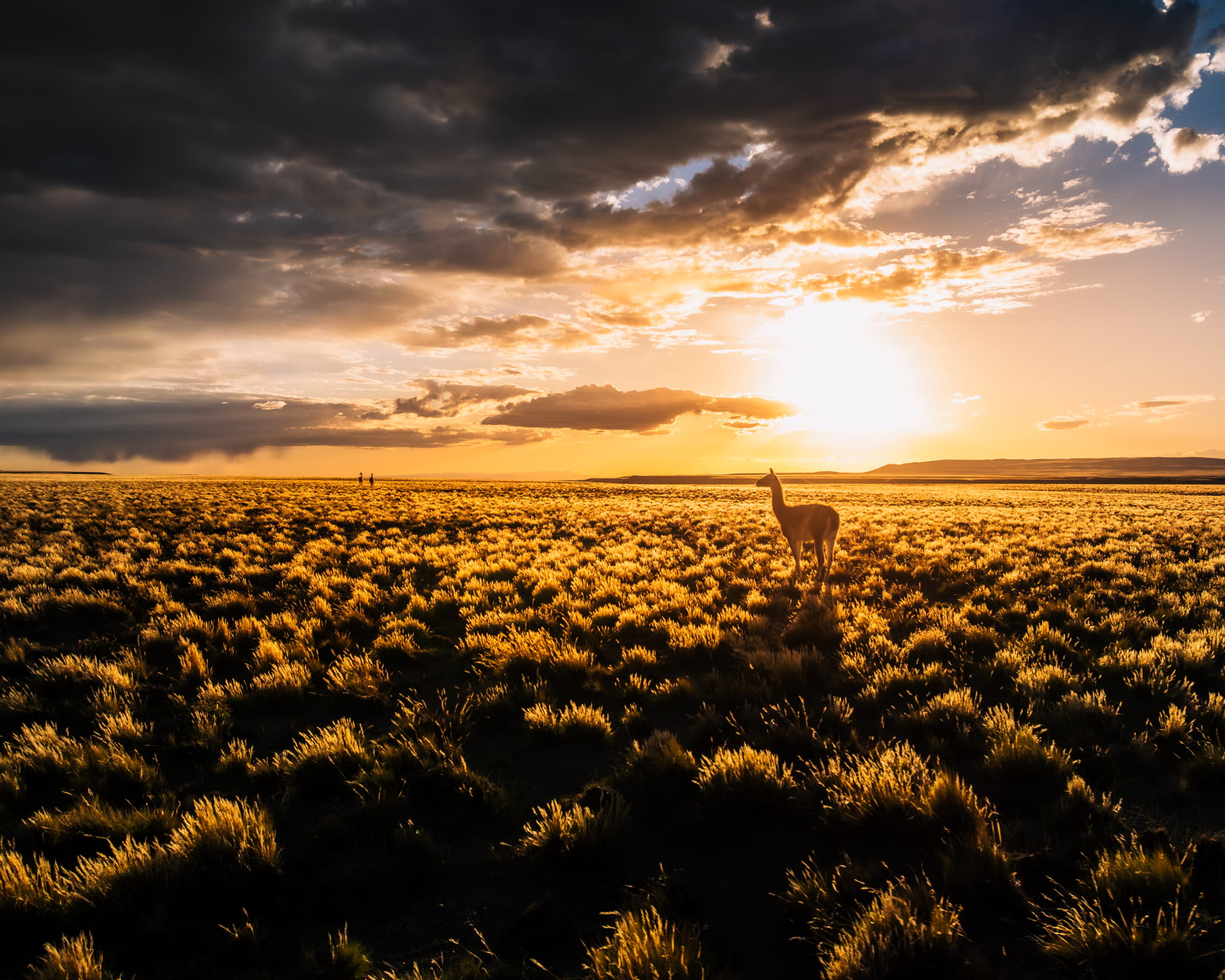
Photos from Diego Cabanas’ trip to Patagonia Park
Stay in the loop
Sign up for our newsletter