Friends of Freyja: Iván Arnold on Connecting Landscapes and Communities across Bolivia’s Chaco-Pantanal Region
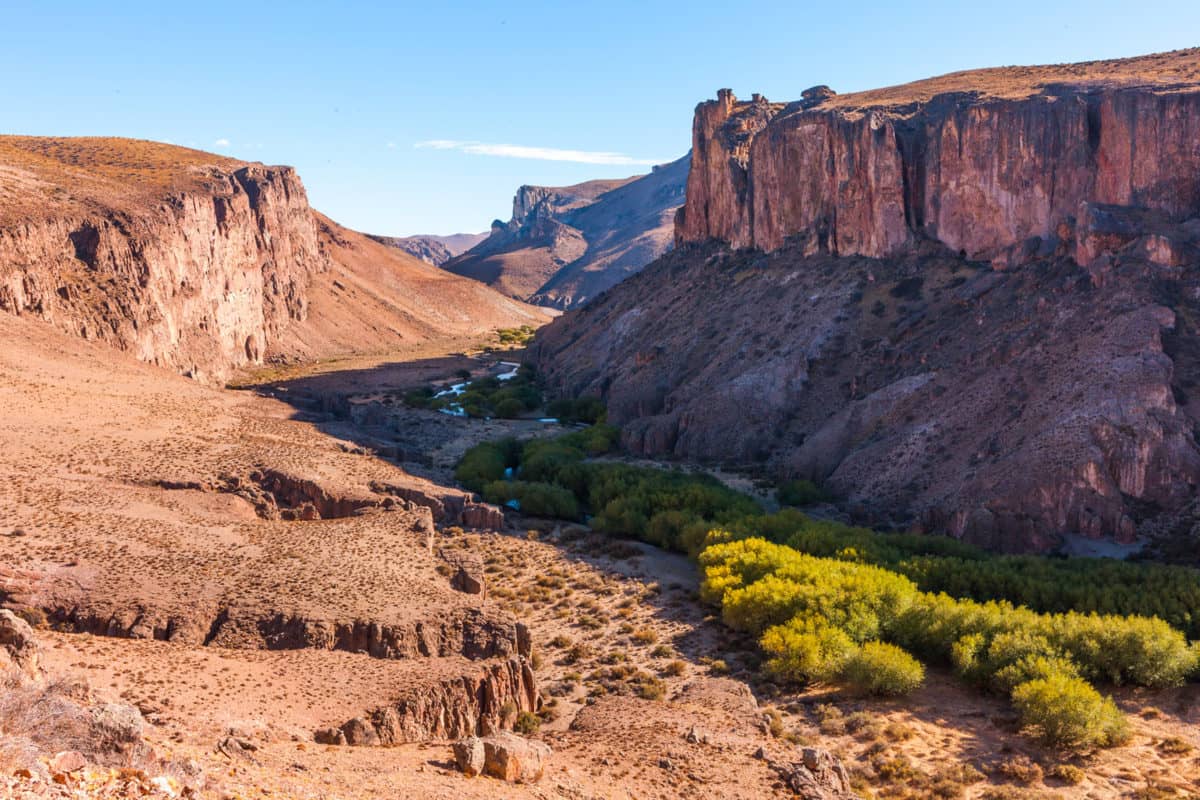
Across Bolivia’s eastern lowlands stretches one of South America’s most extraordinary landscapes. A meeting point of the Chaco, Pantanal, and Chiquitania ecoregions, this area is a patchwork of dry forests, wetlands, and savannas that sustain both diverse wildlife and vibrant local cultures. Within this vast region, the organization NATIVA is working to strengthen the connections that stitch these ecosystems together.
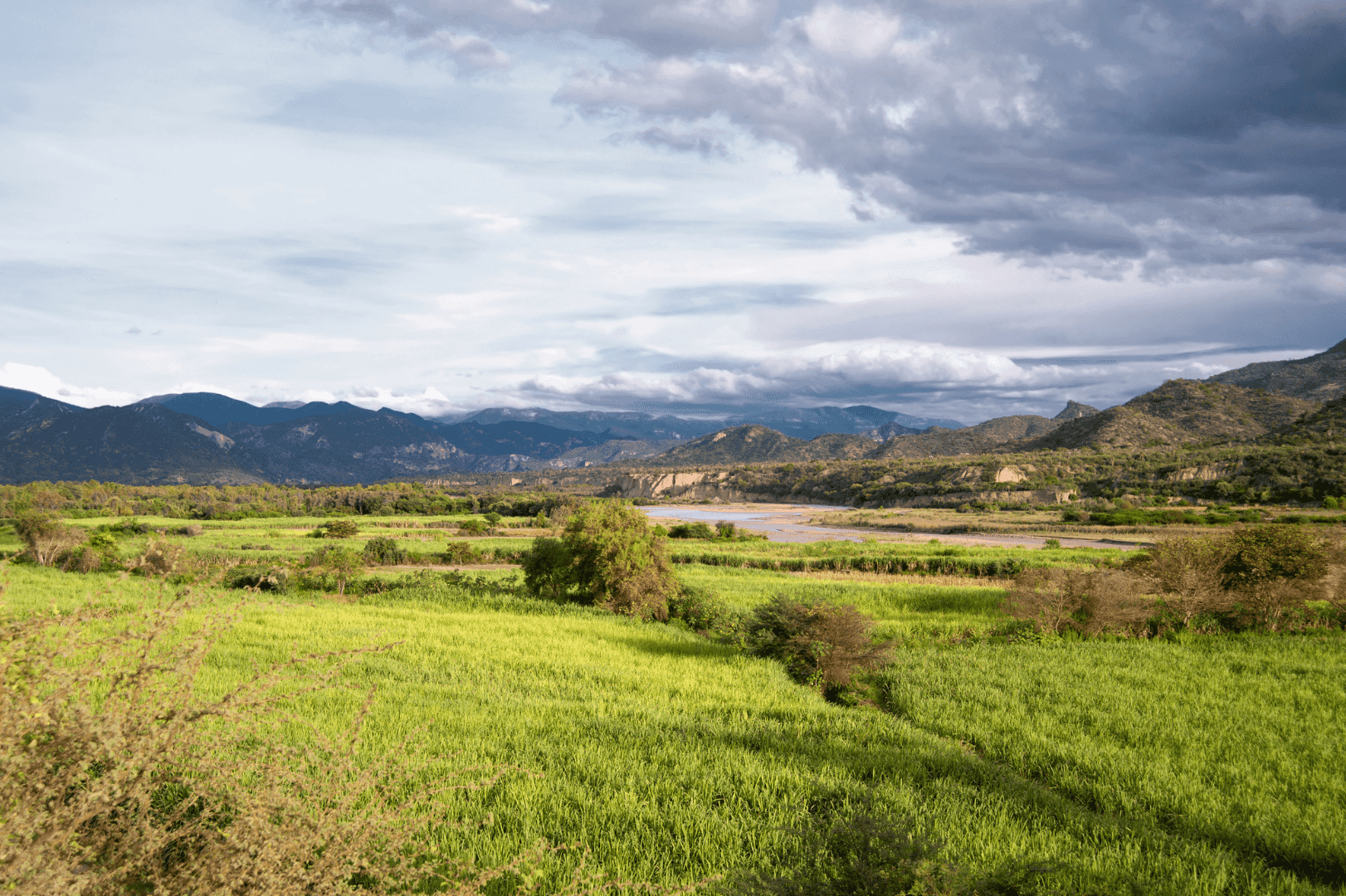
A landscape in Bolivia’s eastern Chaco
In the conversation below, we speak with NATIVA’s Executive Director Iván Arnold about the organization’s work in the region, the challenges facing Bolivia’s ecosystems, and his personal journey in conservation.
What inspired you to pursue a career in conservation?
I was born and raised in Tarija, a city in southern Bolivia nestled in an inter-Andean valley that struggles with serious erosion problems – both wind and water. I also spent every vacation with my father, who owned land in the Tucumano-Bolivian forest. He was a conservationist at heart – someone who refused to kill or eat wild animals. I think both of those experiences shaped my love for nature and gave me a strong environmental awareness. That’s what led some friends and me, when we were still very young, to start working on environmental issues in our region.
Tell us about the areas where NATIVA works – what are they like, and what species live there?
NATIVA works mainly in the greater Chaco-Pantanal landscape, a vast region shared between Bolivia and Paraguay that connects some of South America’s most important ecosystems. We cover the block made up of Kaa Iya, Ñembi Guasu, Otuquis, and San Matías – an area that allows large-scale conservation across the Gran Chaco, the Pantanal, and the Chiquitania.
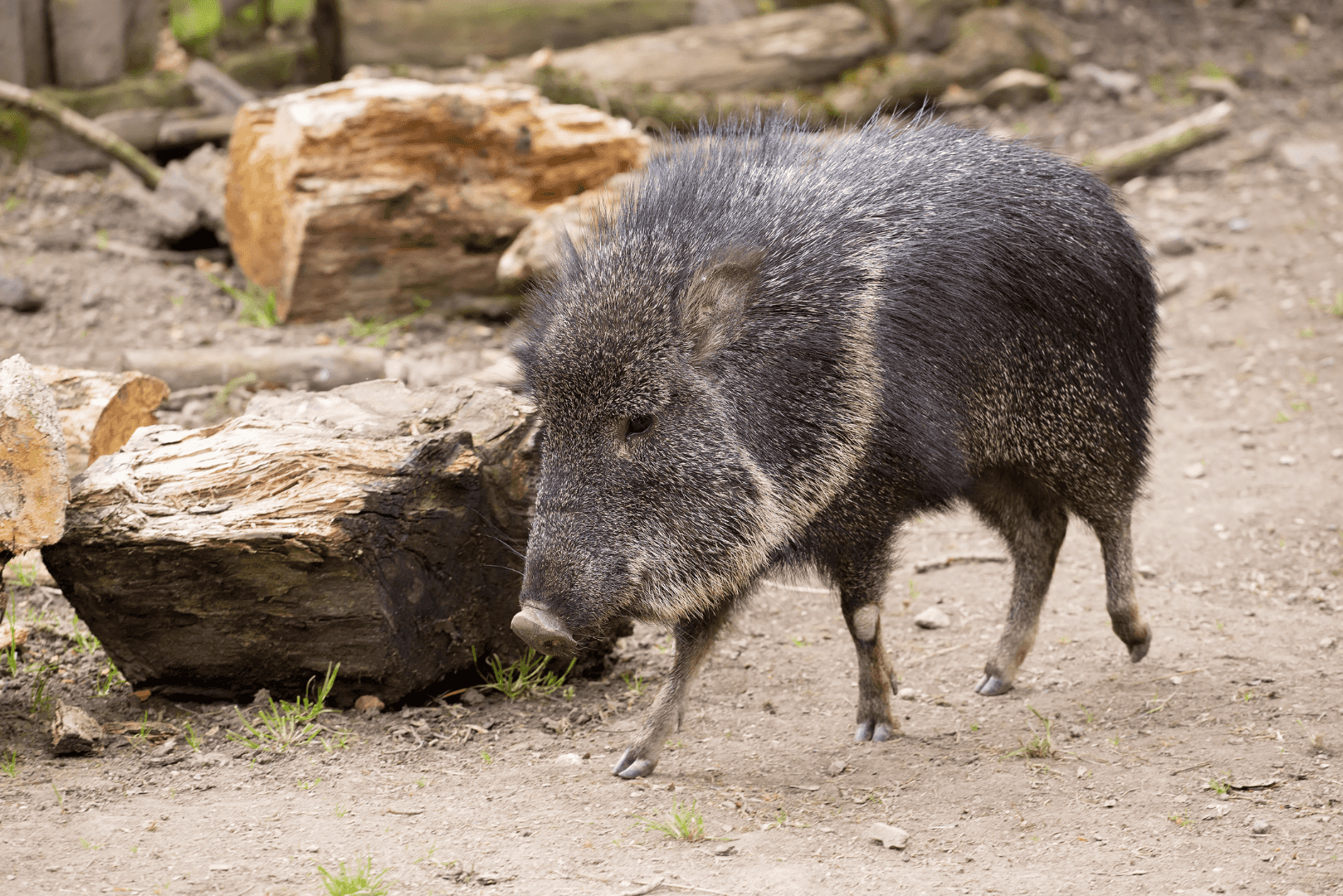
The Chacoan peccary, also known as the taguá, is an endangered species NATIVA is working to protect in the Gran Chaco region
These are places of extremes and contrasts, where dry forests, wetlands, and mountain ranges come together. They’re home to incredible wildlife – jaguars, giant armadillos, Chacoan peccaries, giant anteaters, tapirs, and a huge variety of birds, reptiles, and amphibians that all depend on the connectivity between these ecosystems.
We also work at a trinational level – across Argentina, Bolivia, and Paraguay – along the Pilcomayo River, an ecological and social corridor that links the three countries.
What are the main conservation challenges you face in those areas?
The biggest threats we face are deforestation, large wildfires, habitat fragmentation, and the loss of ecological connectivity. There’s also growing pressure on water resources, driven by an expansion of agriculture and cattle ranching that often happens without proper environmental planning. Climate change makes everything worse – bringing longer droughts, disrupting water cycles, and degrading fertile soils. And on top of that, there are institutional challenges, like the need to strengthen environmental governance and coordination between different levels of land management.
How do you work to involve local communities in protecting biodiversity?
At NATIVA, we work hand-in-hand with Indigenous and rural communities and local governments, based on the belief that conservation only works when it includes local people – their needs, their knowledge, and their vision for the land. We focus on strengthening local governance and management – helping communities plan their territories, manage protected areas, and make informed decisions. Through agroecological plots, forest-friendly cattle ranching, and sustainable livelihoods like beekeeping, we promote ways of producing that are compatible with conservation. We also help build connections between institutions and create spaces where communities can take the lead in protecting biodiversity and building resilience to climate change.
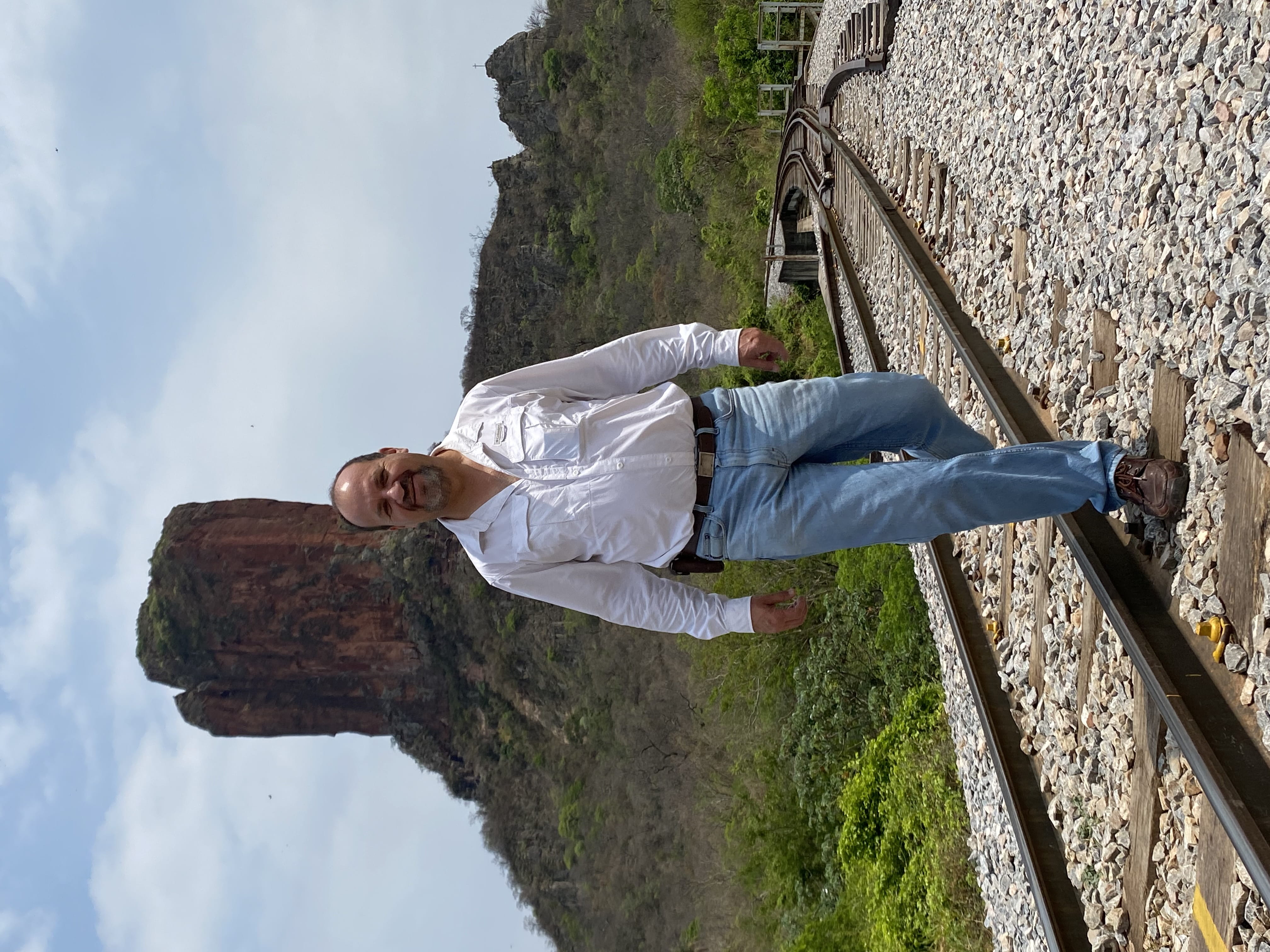
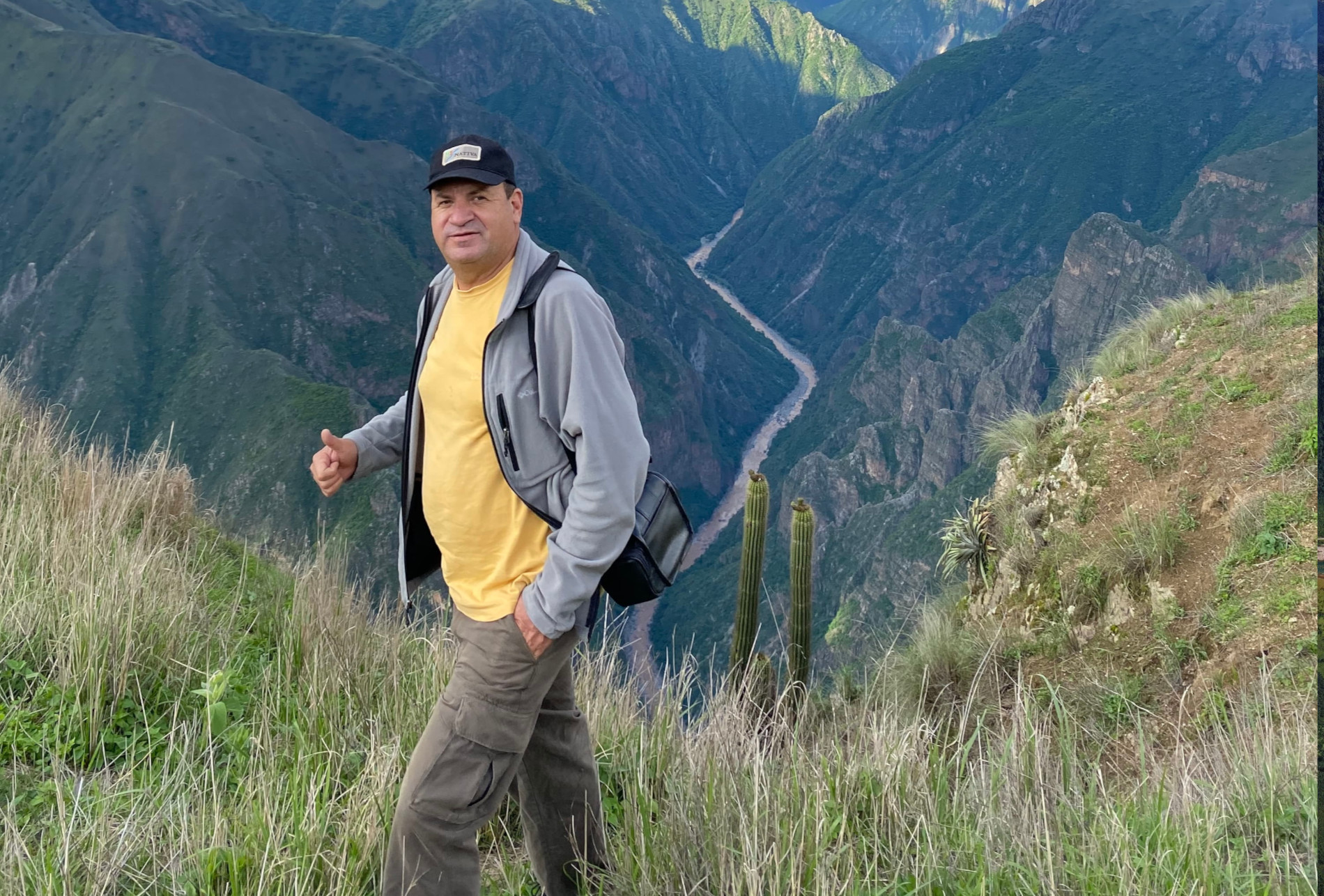
Iván in the Chiquitania, one of the world's last remaining dry forest ecosystems
Can you share a story or moment from NATIVA’s work of which you’re especially proud?
During the last part of the pandemic in 2020, a friend and I decided to explore some areas near our hometown, Tarija. We’d heard about a community called Yumasa, high up in the department of Tarija, where a new road had recently been built. People said the landscapes were stunning, so we decided to go see for ourselves.
When we got there, we were completely blown away. The scenery was breathtaking – one of the best spots to watch condors, and it offered an incredible view of the Pilaya Canyon, which is considered the sixth deepest canyon in the world. We also found that the lower parts of the canyon hold a large stretch of tropical dry forest, home to spectacled bears, pumas, and anteaters. We started working with the community and the municipality of San Lorenzo to protect the area. And in June of this year, the municipal council of San Lorenzo officially created the Cañón del Pilaya Ecotourism Reserve and Natural Monument – 26,000 hectares of beautiful, delicate land full of biodiversity that now has the protection it deserves.
Learn more and support on their website.